Zhenneng - Stainless Steel Kitchenware Manufacturer & Stainless Steel Cookware Factory For Over 35 Years
Language
Who says seasoning is complicated? It's not. You can easily season your stainless steel pan at home with just a few simple steps. Read to know!
Stainless steel cookware is not just a basic pan; it's an investment in years of stick-free cooking and impressing guests with crispy, golden-brown steaks that melt in the mouth. Yes, surely it can pan-fry vegetables and sear proteins beautifully, but the question "Why does everything stick to my stainless steel pan?" still haunts home cooks.
The answer is surprisingly simple. It comes down to one simple yet small pre-seasoning ritual that is not just a quick formality or a minor detail, but a transformative technique. All it demands is a few oil drops, a pause of patience, and heat that ensures every sauté is smooth and easy to flip.
You'll see the benefits instantly as every carrot slice, chicken breast, shrimp, and tofu achieves the perfect caramelization without burning.
It's all about a few attentive minutes, and your hours of scrubbing later will be reduced to nearly nothing. So, want the aftermath of cooking to feel almost enjoyable and unexpectedly rewarding without feeling like work? It's time to jump in!
What is "seasoning" a cookware?
Seasoning is the process of coating the pan with a layer of oil and locking in smoothness, so cleaning up is faster than ever. As no one wants an ultimate post-meal workout that involves scrubbing burned-on sauces for hours, a properly seasoned pan is a joy to cook with.
Research shows that when cookware has that bonded oil layer, it achieves hydrophobicity levels similar to modern PTFE pans without risking chemical breakdown at high temperatures.
How do you Season Cookware before First Use?
Prepping is something that your cookware deserves. Follow along and watch your plain stainless steel pan become the kind of cookware that evenly browns everything you cook.
Step 1
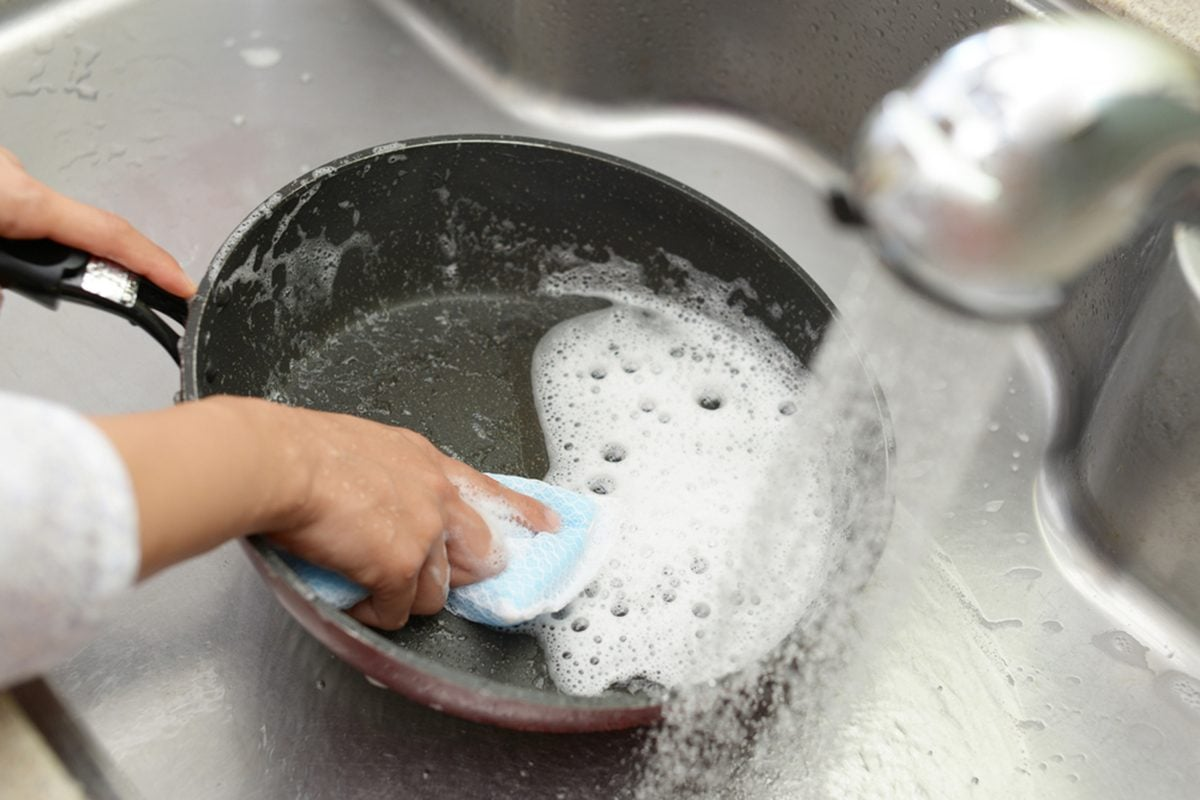
The First step is all about rinsing, as there should be no compromise on purity. So, cleanse the pan thoroughly, inside and out, until nothing but shine remains. Warm water and a mild soap are a must.
Step 2
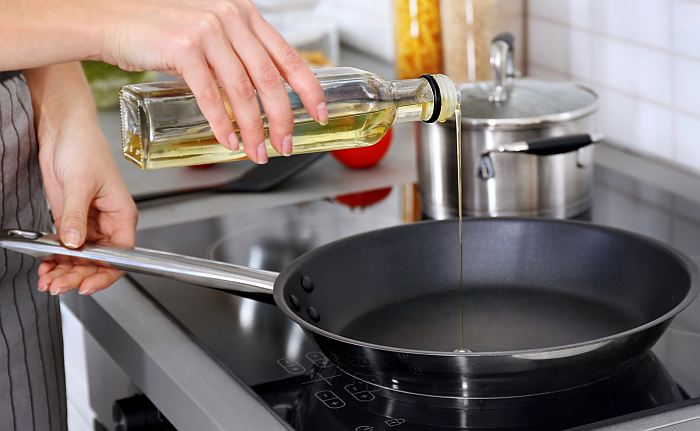
This step is all about choosing the star ingredient (oil) that can actually handle the heat. From Avocado oil to walnut, each one offers a distinct polymerization strength. You can pick the oil that feels right for the shine and aligns with the texture you want your seasoning layer to have.
Step 3
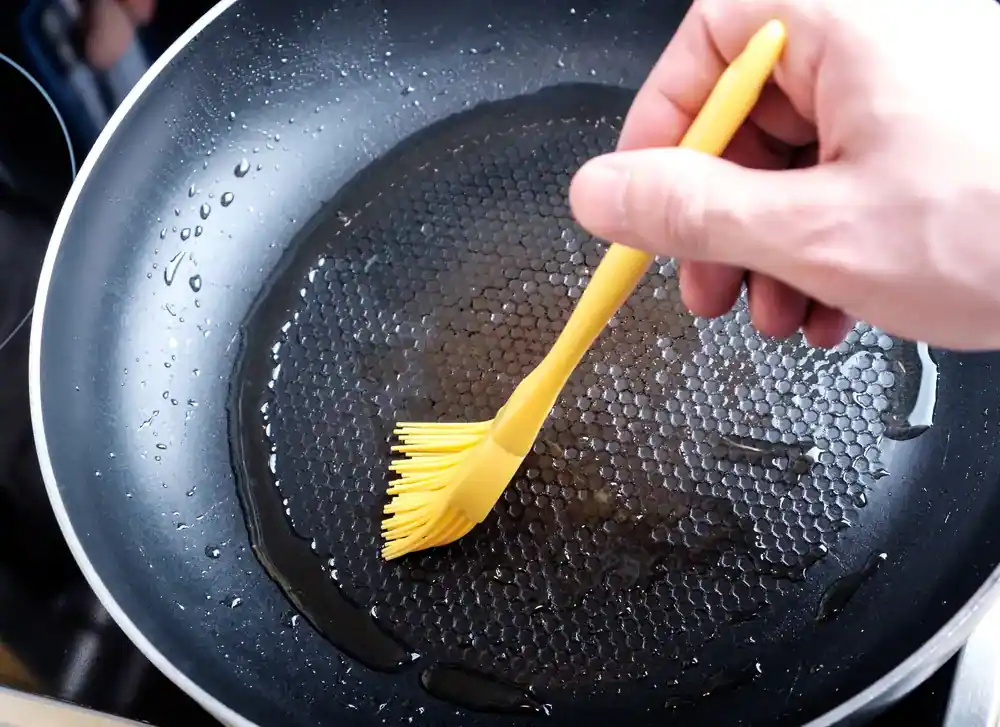
Add a trace layer of oil across the stainless steel pan, so the seasoning grips onto every inch without disturbing the subtleness of the seasoning beneath.
Step 4
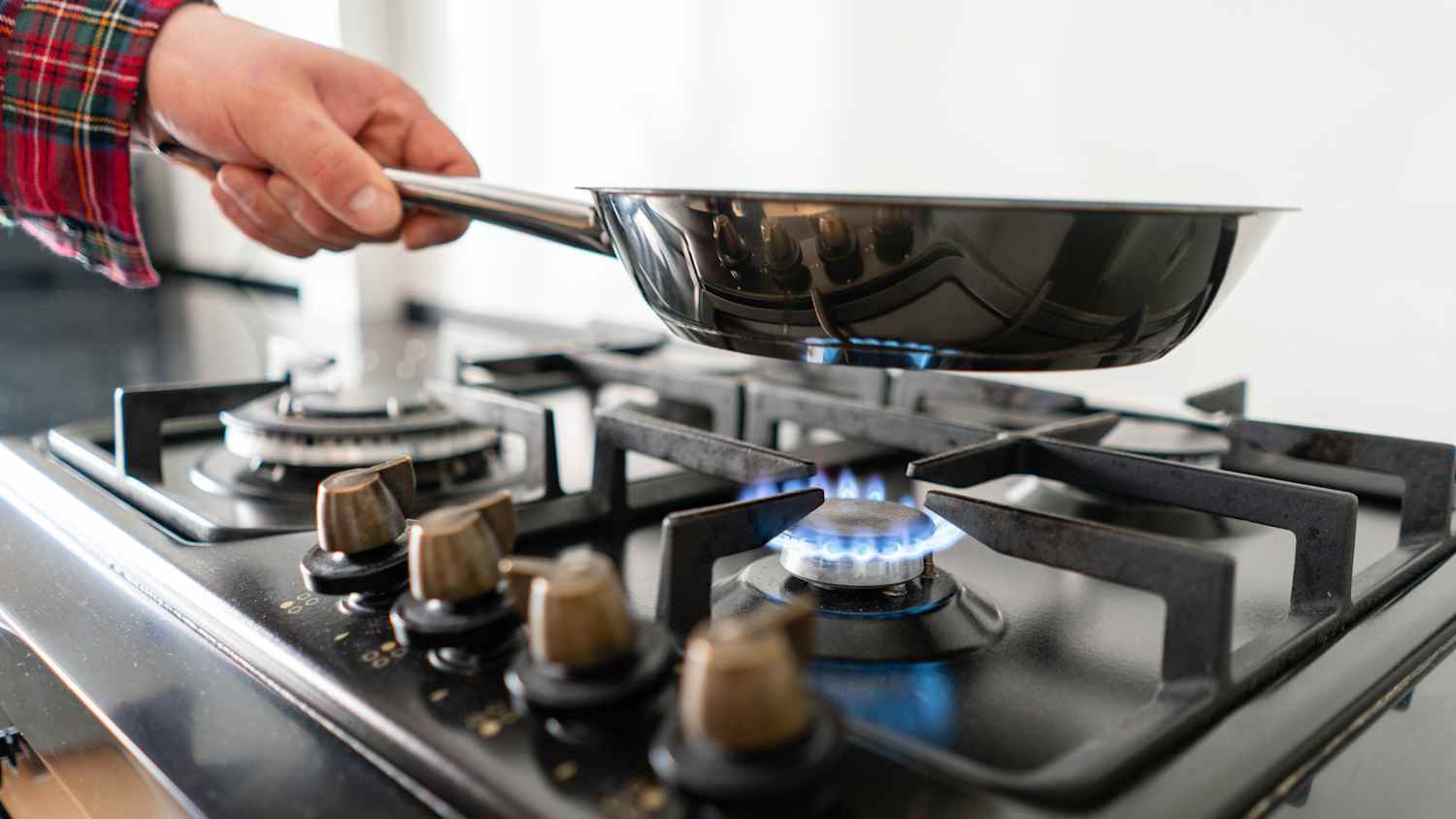
Now comes the heating part, where the science of polymerization works, and your pan receives the strength it was missing before this essential seasoning step. Your job? Set the pan on medium heat and wait until the oil starts to lightly smoke, showing its first transformation.
That's it! Your stainless steel pan is now perfectly seasoned, ready for your first meal.
Most homeowners season their stainless steel cookware using stovetops and ovens. Let's see how the process differs for both.
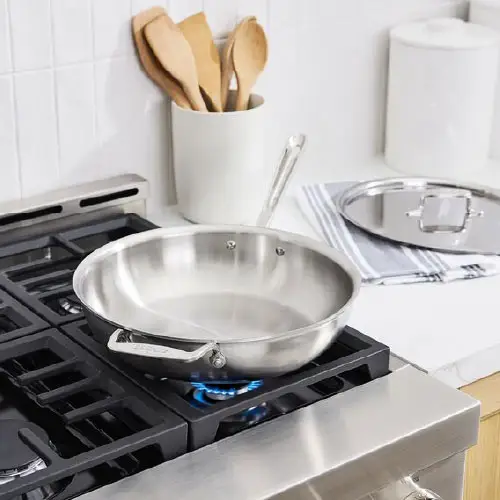
Seasoning a Stainless Steel Cookware on a Stovetop
It's simple. All you need is a combination of proper heating with a thin oil layer. Every step, from cleaning the stainless steel pan to heating it, you must follow each step and stay patient to bring out the pan’s ultimate potential.
However, preheating must be no more than a level just right to allow oil to settle without smoking or breaking down. 2-3 minutes is all it takes for a silky, nonstick finish to develop. As for oil, less is more. 1-2 teaspoons? Yes. No heavy layers. Moderation is essential because each layer needs to absorb fully rather than being drowned in excess oil.
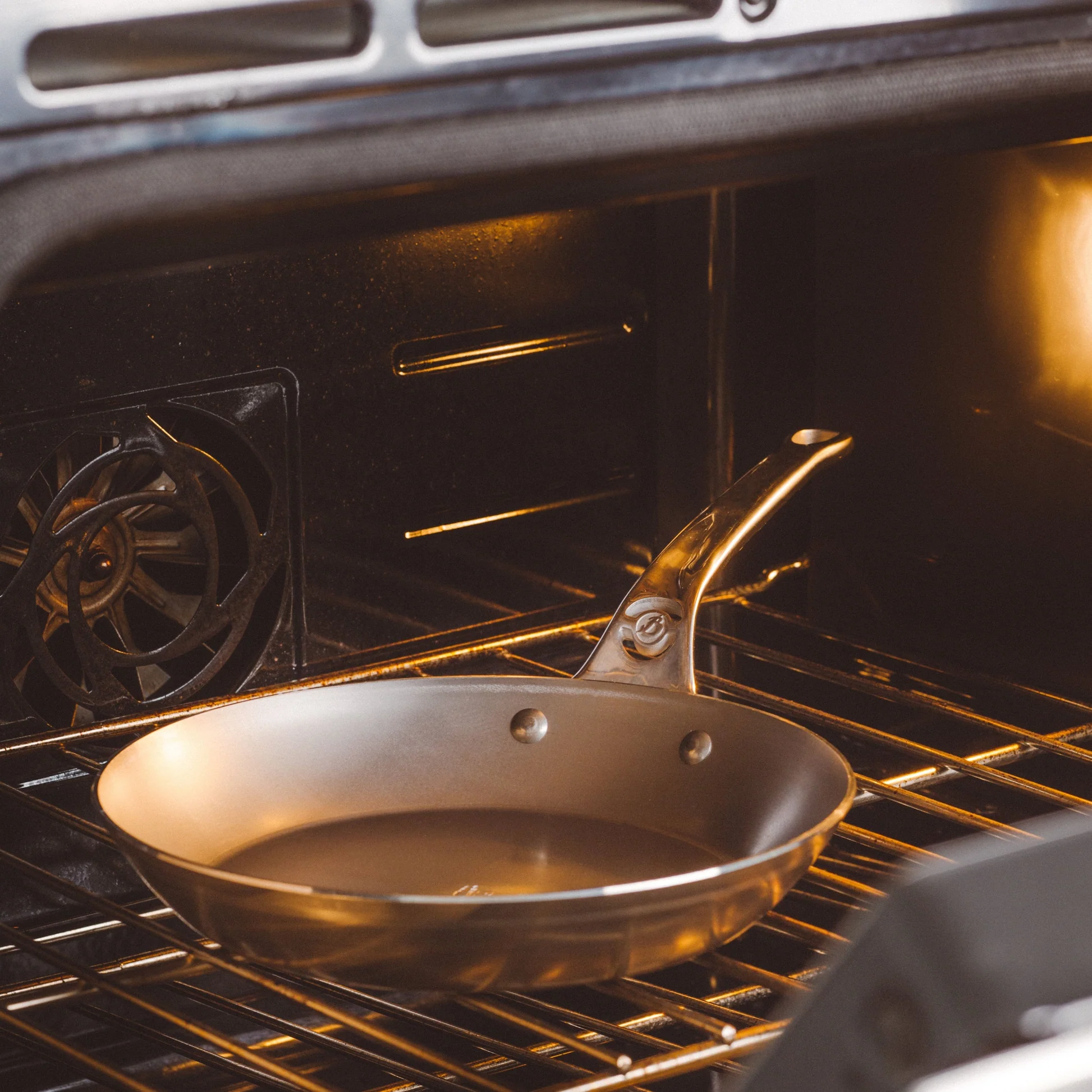
Seasoning A Stainless Steel Frying Pan In The Oven
Seasoning a stainless steel frying pan in the oven helps achieve greater durability. The process here is slightly different than a stovetop.
Before beginning the seasoning process, preheat the oven to the temperature sweet spot of 450–500°F. The higher the oven temperature, the more thoroughly the seasoning bonds with the metal.
While the preheating is underway, make sure to remove any moisture from the frying pan. You need to be non-generous while applying oil to the cookware, as the less you use, the less likely the seasoning will burn or become gummy.
Once seasoning is done, preheat the pan before putting in food, and let the proteins release naturally before flipping.
Things to Remember When Seasoning a Newly Purchased Frying Pan
Below are some things to keep in mind while you season a stainless steel frying pan. From thin oil layers to the right temperature balance, you need to be conscious of the small details.
Seasoning: A Matter of Patience
There'll be times when you'll wonder if the surface is changing at all. And YES, questioning the effort in the seasoning process is so real. As the oil layers bond slowly with heat, the whole process feels as if nothing is happening. But in reality, everything is working more deeply than you can sense on the surface.
Constantly Observing When Seasoning
Nothing, not even a moment of doubt, should stop you from continuing with patience, even when the surface looks unchanged to your eyes. Progress will definitely feel almost invisible, but you need to be attentive and track the first tiny wisp of smoke before it turns into too much.
For Seizing: No Need to Overheat
It's always the moderate heat that keeps the seasoning process consistent, so no part of the surface is left raw. And who really has the patience to redo a layer ruined by overheating? Keeping these things in mind ensures a smooth seasoning process that lets you enjoy the meal without a hectic washing process.
Do stainless steel cookwares need maintenance?
Most homeowners ask this question and the short answer is: Absolutely, stainless steel cookware needs proper TLC to stay in perfect shape. Not just stainless steel pans, but every piece of cookware lasts its prime if maintenance is done right. Without the right care, your cookware will age faster than it naturally would.
Here are the crucial actions that you need to adopt to extend your cookware's life while making it a long-lasting, trusted kitchen essential.
● You need to clean it daily. Completely Non-negotiable!
● As harsh abrasives will ruin the metal's natural shine, it's smarter to avoid scrubbing pads.
● You need to mark on the calendar when to re-season your stainless steel pan for something that makes frying perfectly balanced and pure pleasure.
● Heat plays a major part in preventing unwanted sticking and supports perfectly even browning each time. So, you must master proper heat techniques because your cookware deserves to shine under your patient, measured adjustments on the stove.
Following these practical tips will make sure your stainless steel cookware remains in brand-new condition even after years of use.
FAQs
1. How do I keep things from sticking to my stainless steel pans?
When you preheat the pan properly before adding oil, sticking hardly ever happens. Also, don't use cold food straight out of the fridge, as the temperature difference can cause uneven cooking and sticking.
2 .What is the best oil to season a stainless steel pan with?
Any oil other than butter and extra-virgin olive oil is a safer choice for high-heat seasoning. Some wise options include coconut oil, grapeseed oil, and high-oleic sunflower oil.
3. What should you not put in stainless steel?
Stainless steel pans are best kept away from overly salty or acidic ingredients like tomatoes, lemon juice, and vinegar-based marinades stored inside for hours.
Final Thoughts
When you decide to purchase cookware, you have a choice in materials. Carbon steel and cast iron are still popular ways to go. Nevertheless, you really can’t beat a stainless steel cookware set. It’s elegant look, heat conductivity, and practicality make it an excellent choice for all your cooking and culinary needs. When you are handling a stainless steel skillet, saute pan or stock pot, you will look like-- and feel like-- a professional chef. And when your family and friends sit down at your table to eat, they will notice the difference in quality and taste.
If you are new to stainless steel cookware, you might be worried about the seasoning process and proper upkeep. However, as has been previously stated, you only need to follow some straightforward steps, and your cookware will be ready to go and easy to maintain. Once you get the hang of stainless steel, you won’t want to go back to using anything else.
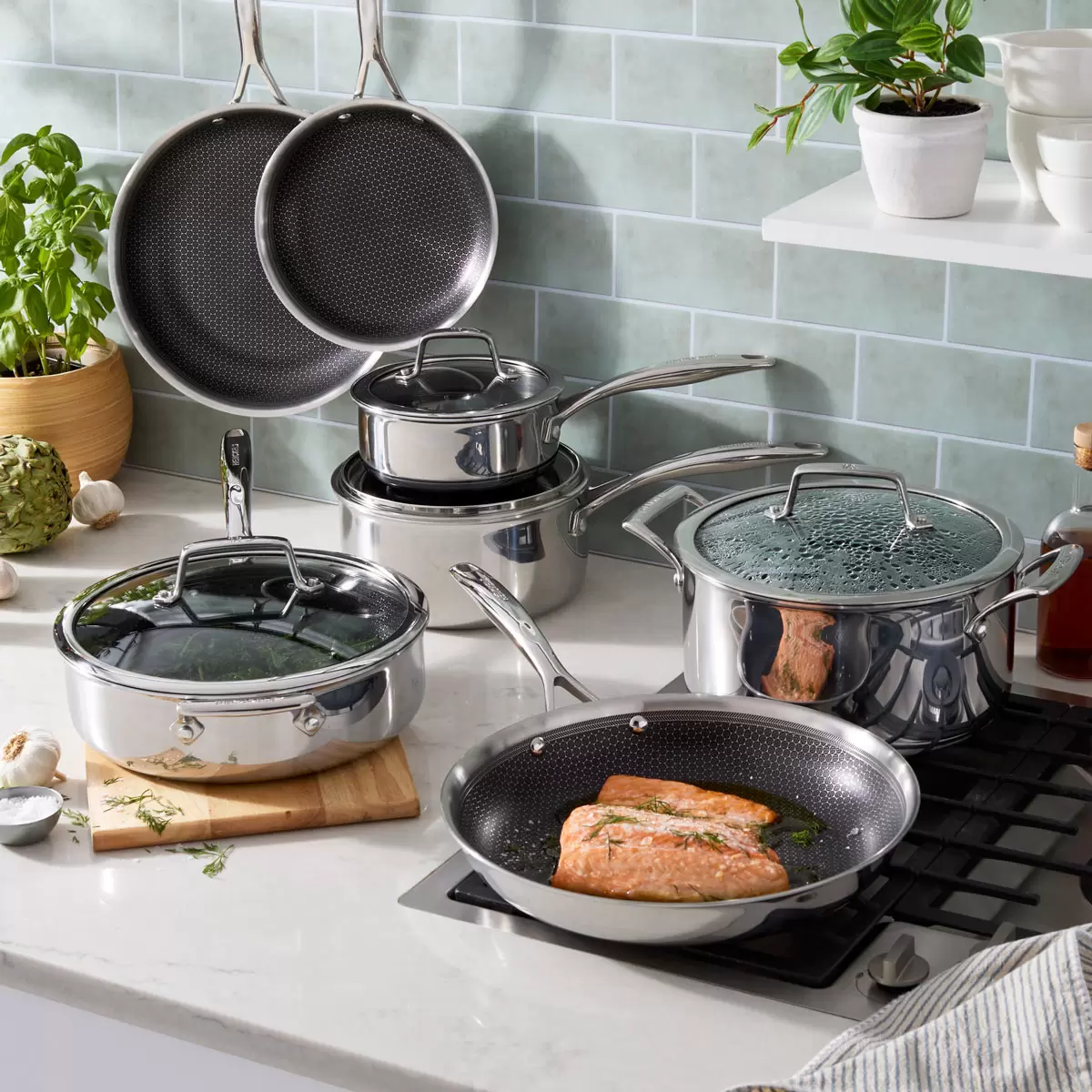
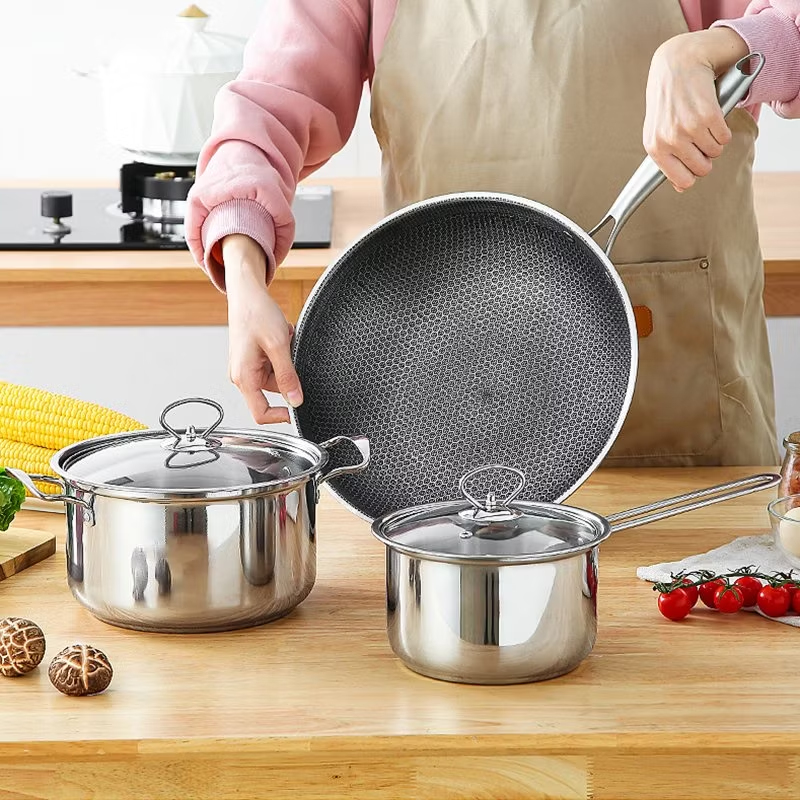
Just keep in mind that as with all cookware and kitchen tools, quality does matter. Make sure that you are investing in a reliable, high-quality brand, like ZHENNENG, which uses safe, durable, non-toxic materials. With ZHENNENG Stainless Steel Cookware Sets, you will rest assured that your stainless steel will keep the taste and nutrition inside your food. You will know that you have a durable product that, when properly maintained, is going to last you a lifetime.
You will take your cooking to the next level, when you cook with stainless steel cookware featuring the ZHENNENG insignia.


LEAVE US A MESSAGE
Zheneng people continue to forge ahead, with the virtuous humanities and exquisite technology perfect combination, full of Unite love of life for you to create elegant, delicate stainless steel daily use and kitchen tableware supplies, With high quality and efficient after-sales service.
Copyright ? 2025 Guangdong Zhenneng Stainless Steel Industry Co., Ltd. - www.csbm2013.com. All rights reserved . ISSN 2024181357-1