Zhenneng - Stainless Steel Kitchenware Manufacturer & Stainless Steel Cookware Factory For Over 35 Years
Language
One of the most important purchases you make for your kitchen is your cookware. With so many options on the market, it can be hard to know which ones to choose to find the best for cooking, the easiest to clean, and the best value for money. We’ve taken the hassle out of the indecision. Ceramic is popular, but does that mean it’s the best choice? Meanwhile, durable stainless steel has long been all the rage—and for good reason.
Whether you’re looking to buy a small personal cookware set or a complete executive chef cookware set, you need to know what to look for.
Durability
When deciding which cookware to buy, the first thing to consider is how well the cookware will cook, clean, and store.
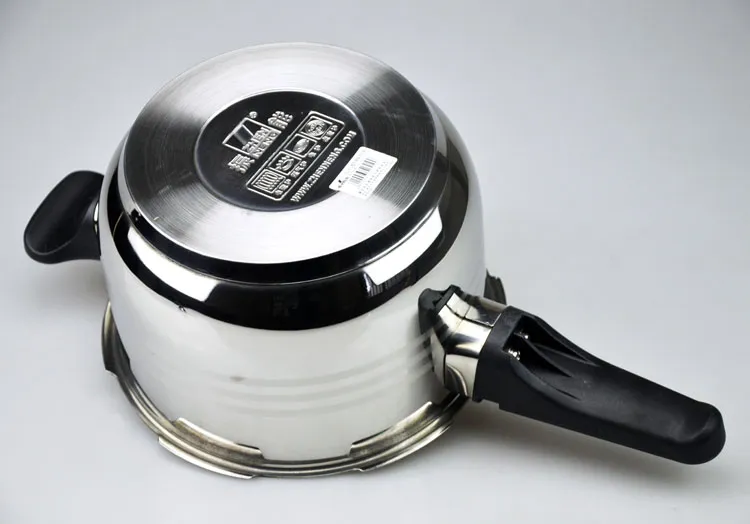
One of the biggest advantages of stainless steel cookware is that it is heat-resistant and does not deform easily, making it perfect for grilling and frying. It is dishwasher-safe, saving you time and scrubbing. You can also use metal utensils, such as spoons and whisks. And because metal is so durable, you can stack your cookware to take up less cabinet space, which is a lifesaver for smaller kitchens.
Ceramic Cookware
Many ceramic pots have unanodized aluminum bases (which are less durable). This makes them more likely to warp, especially when cooking at high temperatures. The ceramic coating is also fragile and can be easily scratched by dishwasher detergent and metal utensils. It’s also prone to chipping, both during cooking and when you stack pots for storage.
Toxin-free
Some cookware coated with nonstick materials such as Teflon can release toxins into the air when overheated. These coatings can also flake off into your food as they break down. Both ceramic and stainless steel are safer choices.
Stainless Steel Cookware
Stainless steel itself is non-toxic and is an alloy of iron and chromium. It can easily withstand high-heat cooking without worrying about releasing any toxic substances into the food or air, making it a healthy choice of cookware. "Food-grade" 316 stainless steel cookware is more resistant to high temperatures and is corrosion-resistant and non-reactive.
Ceramic Cookware
Ceramic cookware is made by applying a waterproof and oil-resistant coating of silicon oxide (also known as silicon dioxide) to a metal base. The result is a hard, smooth, enamel-like surface that does not release toxins. However, just like nonstick-coated cookware, most ceramic cookware cannot be used at high temperatures for long periods of time because this will break down the silicon dioxide coating.
Non-stick coating
While a non-stick coating on cookware may be convenient, it is not always a long-term solution or the healthiest choice.
Stainless steel cookware
While stainless steel cookware has a smooth surface, it usually does not have a non-stick coating. This problem can be easily solved by cooking with healthy oils such as olive oil. This not only prevents food from sticking, but also gives it flavor and replenishes it with healthy Omega-3 and Omega-6 fatty acids, both of which are essential for fighting cardiovascular disease.
Ceramic cookware
While the silicon oxide coating on ceramic cookware is non-stick, it wears away with every use. This means that its ability to release food also decreases, which ultimately causes food to stick to the surface during cooking, which defeats one of the main purposes of buying ceramic cookware.
Heat dissipation
In order to cook food thoroughly, it is important that the cookware dissipates heat evenly, regardless of the stovetop you use.
Stainless Steel Cookware
While stainless steel itself isn’t a reliable conductor of heat, most stainless steel cookware contains an aluminum or copper core. This allows the cookware to disperse heat and cook a variety of foods evenly, whether you’re using an induction, radiant, or gas stove.
Ceramic Cookware
Aluminum is an excellent conductor of heat, so since most ceramic cookware is built on an aluminum base, it will be able to distribute heat evenly, even on induction cooktops.
Easy to Clean
It would be much more convenient if you could put all your cookware in the dishwasher. Unfortunately, this isn’t always possible.
Stainless Steel Cookware
Stainless steel cookware itself is a workhorse on the stovetop and is dishwasher safe. If food residue is stuck or burned on your cookware and the dishwasher won't remove it, there's a simple trick to remove it. Pour a moderate amount of water into the cookware, bring it to a boil, and simmer for 15 to 20 minutes. This should help loosen the food residue and make it easy to scrub with a non-abrasive sponge before putting it in the dishwasher for a final clean.
Ceramic Cookware
Since ceramic cookware is covered in a fragile silica coating, it can’t be cleaned in a dishwasher. Dishwasher detergents are formulated to dissolve food residue on the surface. This means they’re also somewhat abrasive and can damage some cookware, including ceramic cookware. Additionally, if food gets stuck or burnt on the pan, it can be difficult to remove without damaging the pan’s smooth surface.
Value
To determine value, divide the initial cost of the cookware by your estimated lifespan. What may seem expensive at first glance may actually be the most affordable option.
Stainless Steel Cookware
Stainless steel cookware is also slightly more expensive. But because of its durability, suitability for a variety of stovetops, and ability to withstand everything from metal utensils to dishwashers, stainless steel cookware can last for decades. Some families even pass their premium stainless steel cookware down the family heirlooms like china and silverware. Therefore, the initial investment is actually quite small compared to the lifespan of stainless steel cookware, making it very valuable.
Ceramic Cookware
High-end ceramic cookware comes with a heirloom price tag. Because the interior is damaged during cooking, ceramic cookware typically only lasts a few years before the silica coating becomes pitted and eventually needs to be replaced. This makes its cost far higher than the initial price over time, and its value decreases as a result.
Conclusion
With information about the comparison between ceramic cookware and stainless steel cookware, you will be better equipped to make the best choice for your kitchen and life. Choosing Zhenneng stainless steel cookware will not only save you time and make cooking easier, but also save you money in the long run. Contact a dealer today to start your cooking journey.


LEAVE US A MESSAGE
Zheneng people continue to forge ahead, with the virtuous humanities and exquisite technology perfect combination, full of Unite love of life for you to create elegant, delicate stainless steel daily use and kitchen tableware supplies, With high quality and efficient after-sales service.
Copyright ? 2025 Guangdong Zhenneng Stainless Steel Industry Co., Ltd. - www.csbm2013.com. All rights reserved . ISSN 2024181357-1