Zhenneng - Stainless Steel Kitchenware Manufacturer & Stainless Steel Cookware Factory For Over 35 Years
Language
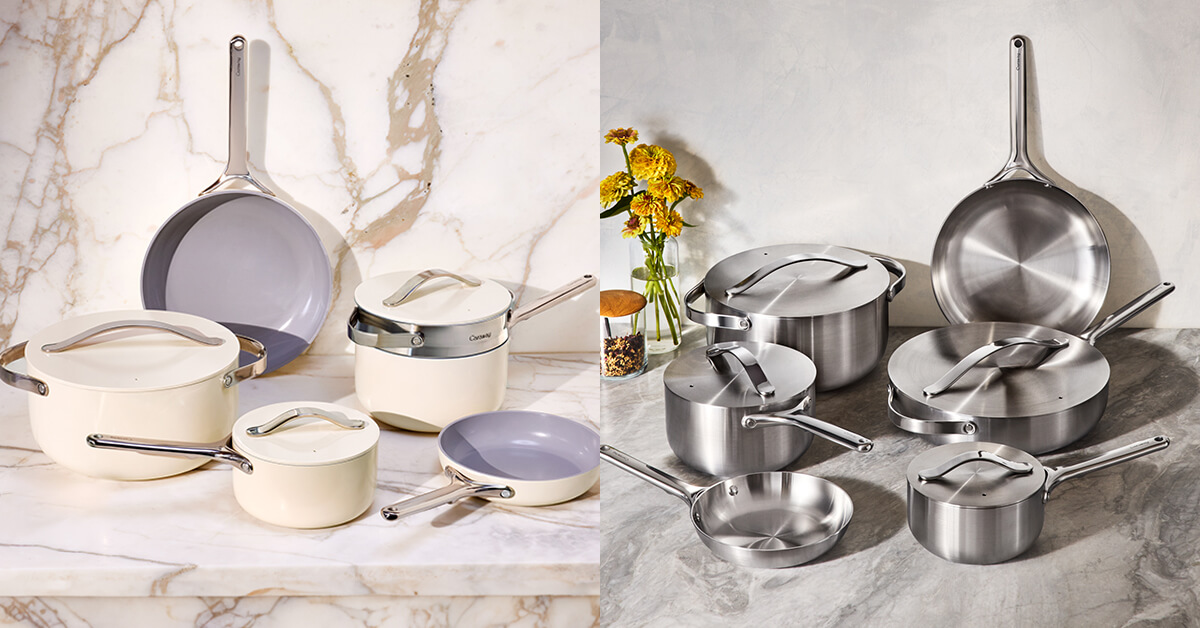
Stainless Steel pots demonstrate exceptional resistance to rust together with corrosion, and staining behavior. Heavy-duty usage is the purpose behind their design so they become very durable while needing little maintenance. The long-term worth of stainless steel lasts because the material does not become tarnished while maintaining its visual quality over the years of its usage.
The Stainless Steel pots works with many different cooking methods since it offers broad versatility. The pan serves as a unique kitchen tool that handles vegetable sautéing, pasta boiling, and sauce simmering activities. These pans prove to be an outstanding multi-use tool in kitchens because they fit every cooking requirement and personal preference.
The maintenance of Stainless Steel pots stays simple because they are easier to clean. The product features dishwasher compatibility, which allows you to save time on cleaning tasks. Users can handle Stainless Steel saucereens without special care because they are different from alternative cookware types. Quick cleaning becomes the only requirement for maintaining stainless steel pans, thus making them simple to use and maintain.
Enamel pots utilize a smooth porcelain coating that maintains heat inside the pot very effectively. These containers serve braising and complex dishes perfectly because their porcelain surface distributes heat very well over time. The smooth enamel coating spreads heat steadily throughout the cooking vessel which makes sure every part of the food attains proper heat until completion even with extended cooking durations.
Enamel pots retain heat well but their material weakness surpasses stainless steel. The enamel surface risks breaking when someone drops the pot or mishandles it. Enamel-coated pots present a higher risk of sustaining damage because of their delicate nature, which demands special attention when using and caring for them. So, these pots need hand washing along with gentle care because such treatment helps maintain their appearance and functional quality.
Stainless Steel vs Enameled Cast Iron Cookware – A Comparison
| Comparison | Stainless Steel Pots | Enameled Cast Iron Pots |
| Material: | Stainless steel with aluminum core | Cast iron with enamel coating |
| Price range (12” fry pan): | $30 – $225 | $44 – $250 |
| Uses: | ? Frying. ? Sautéing. ? Searing. ? Broiling. ? Boiling. ? Steaming. ? Simmering. | ? Braising. ? Stewing. ? Slow cooking. ? Roasting. ? Baking. |
| Oven safe: | Yes | Yes |
| Dishwasher safe: | Yes | Yes |
| Induction compatible: | Yes | Yes |
| Dishwasher safe: | Yes | Recommended hand wash to preserve the enamel coating |
The thermal conductivity of stainless steel stands behind other materials in its heat-conducting properties. The core part of high-quality Stainless Steel pots incorporates copper or aluminum to distribute heat more efficiently. The fast heat-up time of these pans results in possible temperature variations when the pan design does not meet proper standards. These pans serve quick cooking needs, although their inability to maintain consistent low heat for prolonged periods makes them unfit for selected dishes.
On the other hand, enamel pots maintain heat well while spreading the heat evenly throughout the cooking surface. The percent agreement between the general public and experts indicates that the enamel layer on these pots creates even heat distribution throughout their cooking area. This feature enables slow-cooking and simmering operations. Enamel pots retain heat for extended durations, so they achieve steady temperatures that result in tender and flavorful results. Stainless Steel pots become hot more quickly than enamel pots so they provide better results for speedy cooking operations.
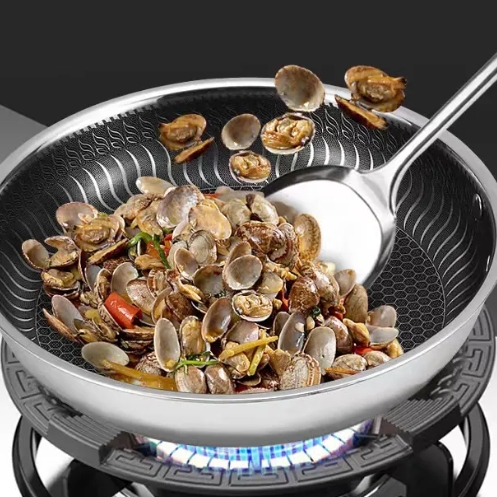
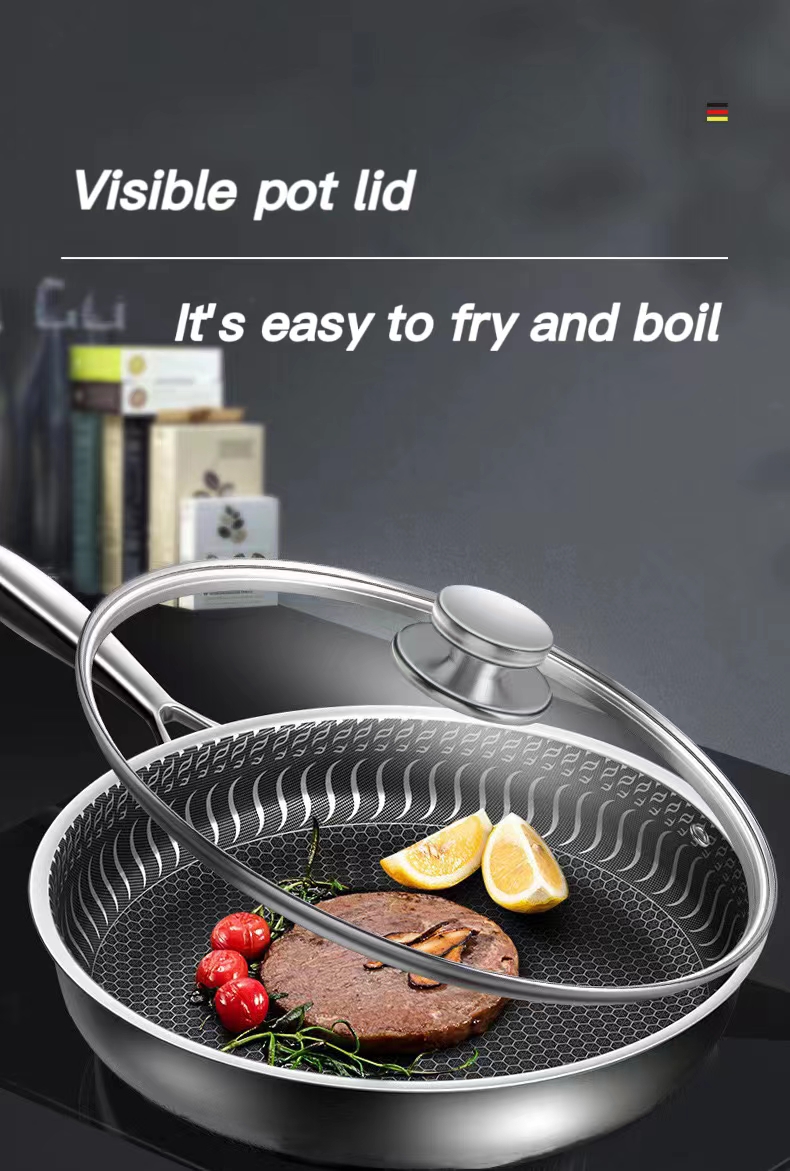
A Stainless Steel pots suits many cooking approaches but shows its best performance when used for exact temperature management. A Stainless Steel pots performs effectively in boiling processes, as well as simmering operations and sautéing tasks, and works for frying applications. These pans offer ideal results for cooking tasks that need fast adjustments because they heat up quickly for tasks such as making sauces and cooking pasta, and frying eggs. Moreover, these offer tremendous versatility in the kitchen by preparing many different types of foods.
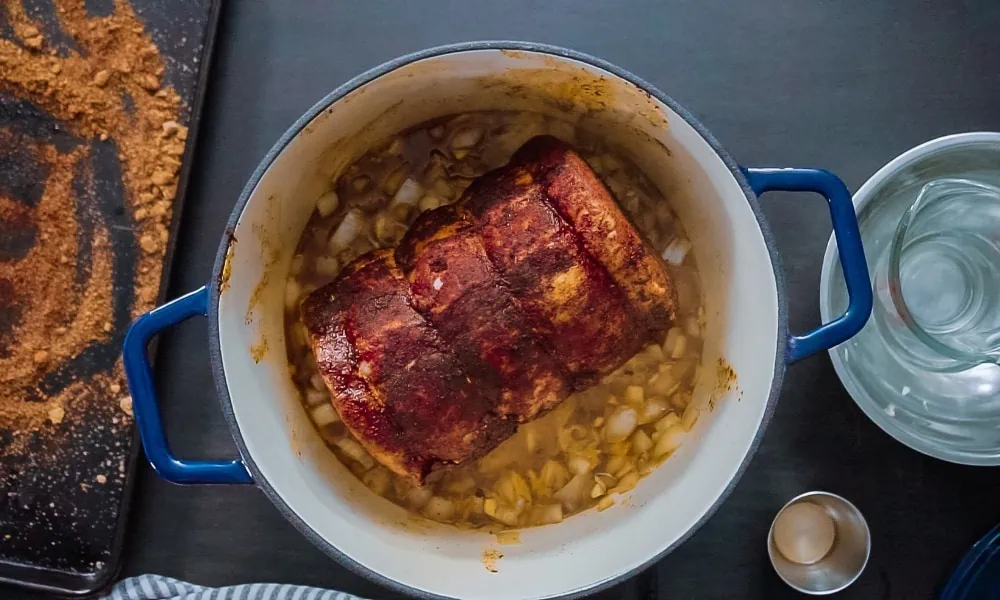
In contrast, enamel pots work best with slow-cooking, braising and stewing, and simmering. The enamel surface retains heat evenly to support cooking for extended periods, thus benefiting dishes that need long-term preparation, such as soups and roasts, and stews. A slow, even heating process from these pots allows the ingredients to cook gently while both flavors combine and the meat becomes tender. Enamel pots remain essential for long, slow-cooked recipes. Therefore, they are essential kitchen tools for preparing slow-cooked dishes.
Stainless Steel pots display aesthetic styling that makes them suitable for any kitchen interior. Stainless steel presents a shiny metallic finish, which provides contemporary flair, so people commonly install it in both residential and commercial cooking areas. The simple design of these pans matches many kitchen themes, including basic and classic designs, and makes food preparation the main focus. Stainless steel looks attractive because its main purpose is functionality rather than decorative use.
Enamel pots distinguish themselves from other pots by featuring decorative and captivating color schemes. The different colors and patterns make them suitable additions that can enhance the look of any kitchen space. People who prioritize beautiful cookware fall in love with enamel pots because of their attractive appearance and bright colors and reflective surface. Enamel pots work effectively and serve decorative purposes thus making them ideal for both serving needs and kitchen display.
Stainless Steel pots deliver top-quality and economic value because of their durability and adaptability to various cooking needs. These pots available at the entry-level typically have affordable prices, but premium options with various layers and metal core options like copper or aluminum will come at a higher cost. The combination of extended product lifespan and quick, simple maintenance makes stainless steel offer exceptional cost-performance benefits throughout daily home cooking activities.
Enamel pots tend to have elevated prices, with additional costs being associated with top-quality brands that excel in heat retention combined with beautiful designs. The combination of enamel coating together with the selected materials makes these pots more expensive. These offer a good return on investment to anyone who slow-simmers frequently because they perform specialized cooking functions that excel at specific kitchen tasks. Most users find the increased price for slow-cooking pots worthwhile for their superior capabilities in this method.
The multiple uses of Stainless Steel pots do not extend to slow cooking because of their specific heat retention limitations. The cooking process becomes uneven because enamel outperforms stainless steel at heat retention when it comes to keeping temperature steady. Proper monitoring enables stainless steel pans to work effectively in quick simmering and low-heat cooking situations. Durables such as extended cooking dishes should be chosen with different cooking pans instead of Stainless Steel saucerepans.
Comparatively, enamel pots serve slow-cooking needs because of their exceptional ability to hold heat and generate uniform heat distribution. Revolutionary design features of enamel pots, including their thick structure and enamel protective layer, allow them to regulate temperature throughout time-intensive meals. This makes them exceptional for slow-cooked dishes, including stews and braises, and soups. The uniform heat distribution feature tenderizes food ingredients as it leads to a better flavor outcome and complete cooking state. The slow-cooking performance of enamel pots surpasses stainless steel during cooking sessions.
Maintaining Stainless Steel pots as rust-free requires proper drying of the pan after washing it. Prolonged dampness of the pan must be avoided because it creates conditions for rust development. Using mild dish soap for regular pan cleaning and preventing harsh scrubbers will protect both the shiny surface and mitigate staining formation. Periodic use of non-abrasive cleaning solutions, and occasional polishing will help the pan stay free from discoloration as well as maintain its proper appearance.
Stainless Steel pots show good resistance against staining yet they can develop marks when exposed to tomatoes and particular acidic substances. Specialized stainless steel cleaners, along with baking soda and water solutions, serve as effective cleaners for eliminating stains from steel surfaces. A soft cloth or sponge with gentle scrubbing will remove stains from the surface without causing any harm. Through regular maintenance, the pans will retain their original appearance and peak operational performance.
The use of enamel pots in high heat is not advisable because intense temperatures trigger enamel coatings to develop cracks and create chips. Using enamel pots at temperatures between medium and low heat produces optimal results for proper cooking and preserves their structural quality. The surface temperature resulting from high heat causes food to burn while sticking onto the material which damages both taste and texture in your cooked dishes. When using your enamel pot, it is essential to build heat levels slowly to prevent chipping or cracking of the enamel coating.
The proper care of your enamel pots requires a slow heating approach while always keeping the pots empty during heating should be avoided. The designed properties of enamel work best when heat application occurs slowly and uniformly to maintain its heat retention abilities. Usage of this method protects the coating while delivering great cooking outcomes without harming the pot.
Careful handling of enamel pots protects them from developing chips or cracks. The fragile enamel coating becomes vulnerable to damage when you allow the pot to strike surfaces because it has a tendency to chip off. Using metal utensils should be avoided because they may create scratches on the enamel surface of the pots. The use of wooden and silicone, along with plastic utensils, will help keep the coating intact.
Harsh cleaning agents and strong abrasive scrubbers should be avoided when cleaning enamel pots to protect the surface from damage. The pot requires time to cool down before washing to avoid thermal shock damage that might create enamel cracks. Locate the pots in areas that minimize their risk of accidental hits or collisions. The correct care practices will make your enamel pot last longer while ensuring the surface remains unharmed.
Your cooking requirements and personal preferences will determine which kitchenware you should select, either a Stainless Steel pots or an Enamel Pot. Stainless Steel pots provide long-lasting quality and multiple functionality together with hassle-free maintenance, which makes them ideal for everyday boiling, simmering, sautéing, and various other quick cooking applications. These cooking vessels stay trustworthy for long periods because they fight off rust and resist stains and need minimal care. Stainless Steel saucereens do not perform well at slow cooking because they retain heat poorly.
Enamel Pots provide excellent slow cooking features. Because they can spread heat evenly while maintaining it during longer cooking times. Enamel Pots work best in long cooking preparations like braising and stews. Enamel pots present an appealing appearance as well as good heat-retaining properties yet remain more prone to breakage because users must take precaution when they handle them to protect the enamel surface.
Recommend Stainless Steel Pots


LEAVE US A MESSAGE
Zheneng people continue to forge ahead, with the virtuous humanities and exquisite technology perfect combination, full of Unite love of life for you to create elegant, delicate stainless steel daily use and kitchen tableware supplies, With high quality and efficient after-sales service.
Copyright ? 2025 Guangdong Zhenneng Stainless Steel Industry Co., Ltd. - www.csbm2013.com. All rights reserved . ISSN 2024181357-1